-
Classroom Management Techniques for Supporting Students with Autism

Creating an inclusive and supportive classroom environment for students with Autism Spectrum Disorder (ASD) is essential for their academic and social development. Effective classroom management techniques can help accommodate the unique needs of these students, promoting a positive learning experience. This article explores various strategies that educators can use to support students with autism in the classroom.
Understanding the Needs of Students with Autism
Students with autism often face challenges in communication, social interaction, and sensory processing. These challenges can affect their behavior and learning in the classroom. Recognizing and addressing these needs through tailored classroom management techniques is crucial for their success.
Classroom Management Techniques
- Structured Environment:
- Consistent Routines: Establishing predictable routines helps reduce anxiety and provides a sense of security. Use visual schedules to outline daily activities.
- Clear Instructions: Provide clear, concise instructions using simple language. Break down tasks into manageable steps and check for understanding.
- Visual Supports:
- Visual Schedules: Use visual aids like charts, pictures, and symbols to help students understand the daily schedule and transitions.
- Visual Cues: Implement visual cues for classroom rules, expected behaviors, and task instructions to enhance comprehension.
- Sensory-Friendly Classroom:
- Sensory Breaks: Allow regular breaks for students to engage in sensory activities, such as using stress balls, fidget toys, or quiet corners.
- Adapted Seating: Provide seating arrangements that minimize sensory distractions, such as placing desks away from noisy areas or using noise-canceling headphones.
- Positive Reinforcement:
- Reward Systems: Implement reward systems to reinforce positive behaviors. Use praise, tokens, or small rewards to motivate and encourage students.
- Behavior Charts: Create individualized behavior charts to track and reward progress on specific goals.
- Individualized Instruction:
- Personalized Learning Plans: Develop Individualized Education Plans (IEPs) that address the specific needs and strengths of each student with autism.
- Flexible Teaching Methods: Use a variety of teaching methods, such as hands-on activities, visual aids, and technology, to cater to different learning styles.
- Social Skills Development:
- Social Stories: Use social stories to teach appropriate social interactions and responses. These stories can help students understand social cues and expectations.
- Peer Buddies: Pair students with autism with peer buddies to encourage social interaction and inclusion.
- Clear Communication:
- Simplified Language: Use clear, straightforward language and avoid idioms or abstract concepts that may confuse students with autism.
- Alternative Communication Methods: Encourage the use of alternative communication methods, such as picture exchange systems or communication devices, for non-verbal students.
- Proactive Behavior Management:
- Anticipate Triggers: Identify potential triggers for challenging behaviors and develop strategies to avoid or mitigate them.
- Calm Down Strategies: Teach and encourage the use of calm-down techniques, such as deep breathing, counting, or using a calm-down area.
Collaborating with Parents and Professionals
Effective classroom management for students with autism involves collaboration with parents, therapists, and other professionals. Regular communication and sharing of strategies can ensure consistency and reinforce positive behaviors both at school and at home.
Supporting the Claypot Foundation
At the Claypot Foundation, we are committed to supporting therapies and resources for children with neurodevelopmental disorders, including autism. Your contributions help us provide essential services that make a difference in these children’s lives.
Donate Now to the Claypot Foundation and help us sponsor more therapies for kids in need. Your support enables us to offer the necessary tools and strategies for educators and parents to foster an inclusive and supportive learning environment.
Conclusion
Supporting students with autism in the classroom requires a thoughtful and individualized approach. By implementing structured routines, using visual supports, creating a sensory-friendly environment, and providing positive reinforcement, educators can create an inclusive and supportive learning atmosphere. Collaboration with parents and professionals is key to ensuring the success of students with autism, helping them thrive academically and socially.
- Structured Environment:
-
Supporting Emotional Regulation and Behavior in Individuals with Autism

Emotional regulation and behaviour management are critical areas of support for individuals with Autism Spectrum Disorder (ASD). Challenges in these areas can impact social interactions, learning, and overall quality of life. This article explores effective strategies for supporting emotional regulation and behaviour in individuals with autism, helping them navigate their emotions and behaviours more effectively.
Understanding Emotional Regulation in Autism
Emotional regulation refers to the ability to monitor, evaluate, and modify emotional reactions in various situations. Individuals with autism often experience difficulties with emotional regulation due to differences in sensory processing, communication challenges, and heightened emotional responses.
Key Strategies for Supporting Emotional Regulation
- Create a Predictable Environment:
- Consistent Routines: Establishing and maintaining consistent routines helps reduce anxiety and provides a sense of security. Visual schedules can aid in understanding daily activities.
- Clear Expectations: Clearly communicate expectations and rules to help individuals understand what is expected of them.
- Teach Emotional Awareness:
- Emotion Identification: Use tools like emotion charts, social stories, and role-playing to help individuals identify and label their emotions.
- Body Signals: Teach individuals to recognize physical signs of different emotions, such as increased heart rate for anger or tears for sadness.
- Develop Coping Strategies:
- Calm Down Techniques: Introduce and practice calm down techniques such as deep breathing, counting, or using a designated calm-down area.
- Sensory Tools: Provide access to sensory tools like fidget toys, weighted blankets, or noise-cancelling headphones to help manage sensory overload.
- Promote Self-Regulation Skills:
- Self-Monitoring: Encourage self-monitoring of emotions through journaling or using apps designed to track mood and behaviour.
- Problem-Solving Skills: Teach problem-solving skills to help individuals navigate challenging situations and reduce frustration.
Effective Behavior Management Techniques
- Positive Reinforcement:
- Reward Systems: Implement reward systems to reinforce positive behaviours. Use praise, tokens, or small rewards to motivate and encourage individuals.
- Behaviour Charts: Create individualised behaviour charts to track and reward progress on specific goals.
- Functional Behavior Assessment (FBA):
- Identify Triggers: Conduct an FBA to identify the triggers and functions of challenging behaviours. Understanding the cause can help in developing effective intervention strategies.
- Tailored Interventions: Develop tailored interventions based on the FBA results to address specific behaviours and their underlying causes.
- Teach Alternative Behaviours:
- Replacement Behaviours: Teach and reinforce alternative, appropriate behaviours that serve the same function as the challenging behaviour.
- Social Skills Training: Provide social skills training to help individuals develop better ways of interacting with others and managing social situations.
- Consistency and Structure:
- Consistent Responses: Ensure that caregivers, teachers, and therapists respond consistently to behaviours. Consistency helps individuals understand the consequences of their actions.
- Structured Environment: Create a structured environment with clear routines and predictable outcomes to help individuals feel more secure and less anxious.
Collaborating with Parents and Professionals
Effective emotional regulation and behaviour management require collaboration with parents, therapists, and other professionals. Regular communication and sharing of strategies ensure consistency across different environments, reinforcing positive behaviours and emotional regulation skills.
Supporting the Claypot Foundation
The Claypot Foundation is dedicated to providing therapies and resources for children with neurodevelopmental disorders, including autism. Your donations make it possible to sponsor therapies that support emotional regulation and behaviour management, significantly improving the lives of individuals with autism.
Donate Now to the Claypot Foundation and help us sponsor more therapies for children in need. Your support enables us to provide essential services that make a real difference in their daily lives.
Conclusion
Supporting emotional regulation and behaviour in individuals with autism involves creating a predictable environment, teaching emotional awareness, developing coping strategies, and using effective behaviour management techniques. Collaboration with parents and professionals is key to ensuring consistency and success. By donating to the Claypot Foundation, you can help provide the necessary therapies and support for individuals with autism, enhancing their ability to regulate emotions and manage behaviour effectively.
- Create a Predictable Environment:
-
Common Characteristics of Autism: Understanding the Spectrum

Autism Spectrum Disorder (ASD) is a complex neurodevelopmental condition that affects individuals in various ways. While each person with autism is unique, there are common characteristics that help define the spectrum. Understanding these traits is essential for recognizing autism and providing appropriate support. This article explores the common characteristics of autism, shedding light on the diversity and individuality within the spectrum.
Social Interaction Challenges
- Difficulty with Social Reciprocity:
- Limited Eye Contact: Many individuals with autism may avoid or have limited eye contact, which can impact social interactions.
- Difficulty Understanding Social Cues: Interpreting body language, facial expressions, and tone of voice can be challenging, leading to misunderstandings in social situations.
- Struggles with Building Relationships:
- Preference for Solitude: Some individuals may prefer spending time alone rather than engaging in social activities.
- Challenges with Peer Relationships: Making and maintaining friendships can be difficult due to differences in social communication and interaction.
Communication Difficulties
- Delayed or Atypical Speech Development:
- Nonverbal Communication: Some individuals with autism may not develop spoken language and may rely on alternative communication methods such as sign language or communication devices.
- Echolalia: Repeating words or phrases heard from others, often without understanding their meaning, is a common trait.
- Difficulty with Conversation Skills:
- Literal Interpretation: Individuals with autism may interpret language literally, missing nuances like sarcasm or idioms.
- Trouble with Back-and-Forth Conversation: Engaging in reciprocal conversations can be challenging, often leading to monologues on preferred topics.
Repetitive Behaviours and Restricted Interests
- Repetitive Movements:
- Stimming: Repetitive behaviours such as hand-flapping, rocking, or spinning are common self-stimulatory activities that help individuals regulate their sensory input.
- Ritualistic Behaviours: Insistence on specific routines and rituals can provide a sense of security and predictability.
- Intense Focus on Specific Interests:
- Special Interests: Individuals with autism often have deep, focused interests in specific topics, sometimes to the exclusion of other activities.
- Detailed Knowledge: They may acquire extensive knowledge about their interests, which can be a strength in educational and professional settings.
Sensory Sensitivities
- Hyper- or Hypo Sensitivity:
- Sensory Overload: Some individuals may be hypersensitive to sensory stimuli such as loud noises, bright lights, or certain textures, leading to sensory overload.
- Seeking Sensory Input: Others may seek additional sensory input, such as touching objects, smelling items, or engaging in activities that provide strong sensory feedback.
- Impact on Daily Life:
- Adapting Environments: Sensory sensitivities can affect daily activities, making it necessary to adapt environments to accommodate these needs.
Cognitive and Behavioural Variability
- Intellectual Abilities:
- Wide Range of Abilities: Intellectual abilities in individuals with autism can vary widely, from intellectual disability to above-average intelligence.
- Uneven Skill Development: It is common to see uneven skill development, with strengths in areas like memory or visual skills and challenges in others.
- Behavioural Differences:
- Meltdowns and Shutdowns: Overwhelming situations can lead to emotional meltdowns or shutdowns, where individuals may become non-responsive.
- Attention to Detail: Many individuals with autism have a keen attention to detail, which can be beneficial in tasks requiring precision.
Conclusion
Autism Spectrum Disorder encompasses a wide range of characteristics, reflecting the diversity and individuality of those affected. Understanding these common traits can foster empathy, support, and effective interventions, enhancing the quality of life for individuals with autism. Recognizing the strengths and challenges within the spectrum is key to creating inclusive environments that celebrate neurodiversity.
Supporting the Claypot Foundation
At the Claypot Foundation, we are dedicated to providing therapies and resources that support children with neurodevelopmental disorders, including autism. Your donations help us sponsor essential services that make a significant difference in the lives of these children.
Donate Now to the Claypot Foundation and help us sponsor more therapies for kids in need. Your support ensures that children with autism receive the interventions and support they need to thrive.
- Difficulty with Social Reciprocity:
-
Navigating Neurodevelopmental Disorders: A Guide to Child Psychologists and Therapies

Neurodevelopmental disorders encompass a range of conditions that affect a child’s brain development, impacting their behaviour, memory, and ability to learn. Conditions such as Autism Spectrum Disorder (ASD), Attention Deficit Hyperactivity Disorder (ADHD), and learning disabilities are some of the most common neurodevelopmental disorders. This guide aims to help parents and caregivers navigate the complexities of these disorders by understanding the role of child psychologists and the various therapies available.
Understanding Neurodevelopmental Disorders
Neurodevelopmental disorders typically manifest early in a child’s development, often before school age, and can affect multiple areas of functioning. Key characteristics of these disorders may include:
- Communication difficulties: Challenges in verbal and non-verbal communication.
- Social interaction problems: Difficulty in engaging with peers and understanding social cues.
- Behavioural issues: Hyperactivity, inattention, and repetitive behaviours.
- Cognitive impairments: Issues with memory, problem-solving, and academic skills.
Early diagnosis and intervention are crucial for managing these disorders effectively.
The Role of Child Psychologists
Child psychologists specialise in diagnosing and treating children with neurodevelopmental disorders. They use a variety of assessment tools and therapeutic techniques tailored to the unique needs of each child. Here’s how child psychologists can help:
- Diagnosis and Assessment:
- Comprehensive Evaluations: Conducting thorough evaluations to diagnose specific neurodevelopmental disorders.
- Behavioural Assessments: Observing and analysing a child’s behaviour to identify specific challenges and strengths.
- Individualised Treatment Plans:
- Personalised Interventions: Developing tailored treatment plans based on the child’s unique needs and challenges.
- Progress Monitoring: Regularly assessing the child’s progress and adjusting treatment plans as needed.
- Therapeutic Support:
- Cognitive Behavioral Therapy (CBT): Helping children develop coping strategies and improve problem-solving skills.
- Behavioural Therapy: Addressing specific behavioural issues through reinforcement techniques and structured routines.
- Parental Guidance and Support:
- Education and Training: Providing parents with strategies to support their child’s development and manage behavioural issues at home.
- Counselling: Offering emotional support and guidance to families navigating the challenges of neurodevelopmental disorders.
Types of Therapies for Neurodevelopmental Disorders
A multi-faceted approach is often the most effective way to address the diverse needs of children with neurodevelopmental disorders. Here are some commonly used therapies:
- Speech and Language Therapy:
- Communication Skills: Helping children improve their verbal and non-verbal communication abilities.
- Social Interaction: Teaching social communication skills, such as turn-taking and understanding body language.
- Occupational Therapy (OT):
- Daily Living Skills: Assisting children in developing fine motor skills and daily living activities.
- Sensory Integration: Addressing sensory processing issues to help children respond more appropriately to sensory stimuli.
- Applied Behavior Analysis (ABA):
- Behaviour Modification: Using positive reinforcement to encourage desired behaviours and reduce problematic ones.
- Skill Building: Teaching essential skills in a structured and systematic manner.
- Social Skills Training:
- Peer Interaction: Helping children develop the skills necessary for making and maintaining friendships.
- Group Therapy: Providing opportunities for children to practise social skills in a controlled environment.
- Educational Interventions:
- Individualised Education Programs (IEPs): Tailoring educational plans to meet the specific needs of children with neurodevelopmental disorders.
- Specialised Instruction: Utilising teaching methods that accommodate various learning styles and abilities.
Seeking Support from the Claypot Foundation
The Claypot Foundation is dedicated to supporting children with neurodevelopmental disorders through funding and resources for therapies. Our mission is to ensure that every child has access to the interventions they need to thrive.
Donate Now to the Claypot Foundation and help us sponsor therapies for children with neurodevelopmental disorders. Your contribution can make a significant impact, providing essential support to children and their families.
Conclusion
Navigating neurodevelopmental disorders can be challenging, but with the right support and resources, children can make significant progress. Child psychologists and various therapeutic interventions play a crucial role in addressing the unique needs of each child. By understanding and accessing these resources, parents and caregivers can provide the best possible support for their children.
-
Enhancing Independence: Occupational Therapy for Children with Autism

Occupational Therapy (OT) plays a crucial role in enhancing the independence and overall quality of life for children with Autism Spectrum Disorder (ASD). By focusing on developing essential skills, OT helps children with autism navigate daily activities and achieve greater autonomy. This article explores the benefits of occupational therapy for children with autism, highlighting the techniques and strategies used to foster independence.
Understanding Occupational Therapy
Occupational therapy is a client-centered practice that helps individuals of all ages perform daily activities (occupations) with greater ease and efficiency. For children with autism, OT addresses a wide range of challenges, including sensory processing issues, fine and gross motor skills, social interaction, and daily living skills.
Key Areas of Focus in Occupational Therapy for Autism
- Sensory Processing:
- Sensory Integration Therapy: Many children with autism experience sensory processing difficulties, leading to either hypersensitivity or hyposensitivity to sensory stimuli. Occupational therapists use sensory integration techniques to help children respond more appropriately to sensory input, improving their ability to participate in daily activities.
- Fine Motor Skills:
- Handwriting and Manipulative Skills: OT helps improve fine motor skills necessary for tasks such as handwriting, buttoning clothes, and using utensils. Activities like playing with clay, cutting with scissors, and bead stringing can enhance hand-eye coordination and dexterity.
- Gross Motor Skills:
- Coordination and Balance: Gross motor skills are crucial for activities such as walking, running, and jumping. Occupational therapists use exercises and activities that strengthen core muscles, improve balance, and enhance overall coordination.
- Daily Living Skills:
- Self-Care Activities: OT helps children learn essential self-care skills, such as dressing, grooming, bathing, and feeding themselves. These skills are critical for increasing independence in daily routines.
- Household Tasks: Teaching children how to perform household tasks, such as setting the table, making the bed, or cooking simple meals, helps them gain confidence and autonomy.
- Social and Play Skills:
- Interaction and Communication: Through guided play and social activities, occupational therapists help children with autism develop better social skills, including taking turns, sharing, and understanding social cues. These activities promote engagement and cooperation with peers.
Techniques and Strategies Used in Occupational Therapy
- Visual Supports:
- Visual Schedules: Using pictures and symbols to create visual schedules helps children understand and predict daily routines, reducing anxiety and improving transitions between activities.
- Task Cards: Breaking down complex tasks into smaller, manageable steps with visual task cards can make learning new skills more approachable.
- Structured Environments:
- Organized Spaces: Creating organized and predictable environments helps children with autism feel more secure and focused. Occupational therapists often work with families and schools to arrange physical spaces that support learning and development.
- Adaptive Equipment:
- Assistive Devices: Utilizing adaptive equipment, such as weighted blankets, specialized seating, or adaptive utensils, can enhance a child’s ability to perform tasks independently and comfortably.
- Behavioral Strategies:
- Positive Reinforcement: Rewarding desired behaviors and achievements encourages children to continue developing their skills and trying new activities. This approach helps build self-esteem and motivation.
- Parent and Caregiver Training:
- Home Programs: Occupational therapists provide parents and caregivers with strategies and exercises to practice at home, ensuring that therapy continues beyond sessions. This collaborative approach supports consistency and reinforces skill development.
Benefits of Occupational Therapy for Children with Autism
- Increased Independence: By mastering essential daily living skills, children with autism can achieve greater independence and participate more fully in their communities.
- Enhanced Self-Esteem: Successfully learning new skills and becoming more self-reliant boosts confidence and self-esteem.
- Improved Social Interaction: Developing social skills through guided activities helps children interact more effectively with peers and adults, fostering better relationships.
- Better Academic Performance: Improved fine motor skills, sensory processing, and self-regulation contribute to better focus and participation in school activities.
Supporting the Claypot Foundation
The Claypot Foundation is dedicated to providing therapies and resources that support children with neurodevelopmental disorders, including autism. Your donations help us sponsor essential services like occupational therapy, making a significant difference in the lives of these children.
Donate Now to the Claypot Foundation and help us sponsor more therapies for children in need. Your support ensures that children with autism receive the interventions and support they need to thrive.
Conclusion
Occupational therapy is a vital component in the support system for children with autism, helping them develop the skills necessary for greater independence and improved quality of life. By focusing on sensory processing, fine and gross motor skills, daily living activities, and social interaction, occupational therapists play a crucial role in enhancing the capabilities and confidence of children with autism. Through collaborative efforts and continued support, we can help these children achieve their fullest potential.
- Sensory Processing:
-
Causes and Risk Factors of Autism Spectrum Disorder

Autism Spectrum Disorder (ASD) is a complex neurodevelopmental condition characterised by challenges in social interaction, communication, and repetitive behaviours. Although the exact causes of autism are not fully understood, research has identified several genetic, environmental, and biological factors that contribute to the development of ASD. Understanding these causes and risk factors is crucial for early detection and intervention, ultimately improving outcomes for children with autism. The Claypot Foundation is dedicated to supporting therapies for children with neurodevelopmental disorders, including autism, to enhance their quality of life.
Genetic Factors
- Genetic Mutations:
- Inherited Genes: Specific genetic mutations associated with brain development and synaptic function can be inherited from parents and have been linked to ASD.
- De Novo Mutations: New mutations that occur spontaneously in the egg, sperm, or embryo and are not inherited from parents are also implicated in autism.
- Genetic Syndromes:
- Associated Conditions: Genetic disorders such as Fragile X syndrome, Rett syndrome, and Tuberous Sclerosis are known to increase the risk of autism.
- Family History:
- Heritability: Autism tends to run in families. Siblings of individuals with autism are at a higher risk of being diagnosed with ASD themselves.
Environmental Factors
- Prenatal Factors:
- Advanced Parental Age: Older parents, particularly fathers, have a higher likelihood of having children with autism.
- Prenatal Exposure: Exposure to certain medications (e.g., valproic acid), infections, or environmental toxins during pregnancy can increase the risk of autism.
- Perinatal Factors:
- Complications: Birth complications such as low birth weight, preterm birth, or oxygen deprivation are associated with a higher risk of autism.
- Postnatal Factors:
- Environmental Exposures: Exposure to heavy metals, pesticides, or air pollution in early childhood may contribute to the development of ASD.
Biological Factors
- Brain Development:
- Abnormal Brain Growth: Some individuals with autism exhibit accelerated brain growth during infancy, leading to larger-than-average brain size.
- Connectivity Issues: Differences in how brain regions communicate with each other have been observed in individuals with autism, affecting sensory processing, social interaction, and behaviour.
- Immune System Dysfunction:
- Maternal Immune Activation: Infections or immune responses in the mother during pregnancy may influence foetal brain development, contributing to autism risk.
- Autoimmune Conditions: A higher prevalence of autoimmune disorders in families of individuals with autism suggests a potential link.
Risk Factors
- Gender:
- Male Predominance: Autism is about four times more common in boys than in girls. The reasons for this disparity are still under investigation.
- Genetic and Environmental Interactions:
- Complex Interplay: The interaction between genetic predisposition and environmental factors plays a significant role in the development of autism.
- Socioeconomic Factors:
- Access to Healthcare: Early diagnosis and intervention are often influenced by socioeconomic status, with disparities in access to healthcare affecting outcomes.
Myths and Misconceptions
- Vaccines:
- Debunked Theories: The claim that vaccines cause autism has been thoroughly debunked by extensive scientific research. Major health organisations, including the CDC and WHO, confirm that vaccines do not cause autism.
- Parenting Styles:
- Discredited Theories: Early theories incorrectly blamed “refrigerator mothers” or lack of parental warmth for causing autism. These theories have been discredited, and there is no evidence to support such claims.
Conclusion
Autism Spectrum Disorder is a multifaceted condition with no single known cause. Instead, it arises from a combination of genetic, environmental, and biological factors. Continued research is crucial to unravelling the complexities of autism, which will lead to better diagnostic tools, interventions, and support for children with ASD and their families. The Claypot Foundation is committed to sponsoring therapies that can make a significant difference in the lives of children with neurodevelopmental disorders, ensuring they receive the support they need to thrive.
Help Us Make a Difference
By understanding the causes and risk factors of autism, we can work towards better interventions and support systems for children with ASD. The Claypot Foundation relies on donations to sponsor therapies for more kids in need. Your generous contribution can help provide essential services, such as speech therapy, occupational therapy, and behavioural interventions, to children who might not otherwise have access.
Donate Now to the Claypot Foundation and help us change lives. Together, we can make a significant impact on the future of children with autism.
- Genetic Mutations:
-
Nurturing Communication: The Impact of Speech Therapy for Children with Neurodevelopmental Disorders
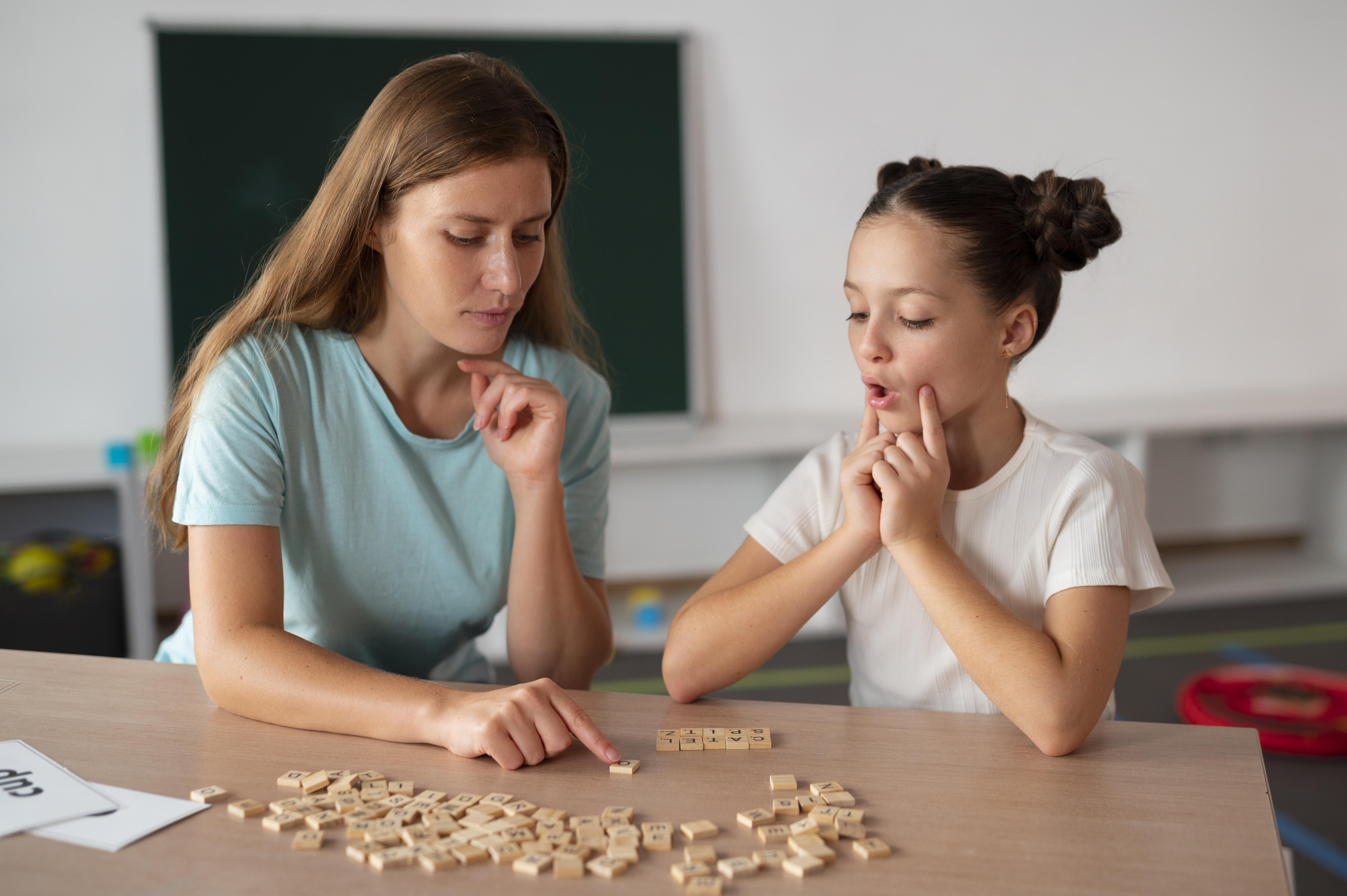
Speech therapy plays a pivotal role in the development of communication skills for children with neurodevelopmental disorders, such as Autism Spectrum Disorder (ASD), Attention Deficit Hyperactivity Disorder (ADHD), and developmental language disorders. Effective communication is essential for social interaction, academic success, and overall quality of life. This article delves into the impact of speech therapy on children with neurodevelopmental disorders, exploring the techniques and benefits that make it a vital component of their developmental support.
Understanding Speech Therapy
Speech therapy, also known as speech-language therapy, is a specialised intervention designed to address communication challenges. Speech-language pathologists (SLPs) work with children to improve their ability to understand and express language, both verbally and non-verbally. This therapy also addresses issues related to speech sound production, fluency, and social communication skills.
Common Communication Challenges in Neurodevelopmental Disorders
Children with neurodevelopmental disorders may experience a range of communication challenges, including:
- Delayed Speech Development: Slow development of spoken language.
- Receptive Language Difficulties: Trouble understanding language.
- Expressive Language Difficulties: Difficulty expressing thoughts and needs.
- Pragmatic Language Issues: Challenges with using language socially and understanding social cues.
- Articulation Problems: Difficulty producing speech sounds correctly.
- Fluency Disorders: Stuttering or other disruptions in the flow of speech.
Key Techniques in Speech Therapy
- Articulation Therapy:
- Sound Production: Helping children learn to produce specific speech sounds correctly through repetitive practice and articulation exercises.
- Phonological Awareness: Teaching children to recognize and work with the sounds in spoken language.
- Language Intervention Activities:
- Vocabulary Building: Using games, books, and interactive activities to expand a child’s vocabulary.
- Sentence Structure: Teaching the construction of sentences to improve grammar and syntax.
- Social Communication Therapy:
- Role-Playing: Engaging in role-playing scenarios to practise social interactions and conversational skills.
- Social Stories: Using social stories to teach appropriate social behaviours and responses in various situations.
- Augmentative and Alternative Communication (AAC):
- Communication Devices: Introducing tools such as speech-generating devices, picture exchange systems, or sign language to support communication for non-verbal or minimally verbal children.
- AAC Training: Teaching children and their families how to use AAC effectively to enhance communication.
- Fluency Therapy:
- Stuttering Management: Techniques such as slow speech, breathing exercises, and controlled fluency to help manage stuttering.
- Rhythm and Pacing: Using rhythm and pacing exercises to improve speech fluency.
Benefits of Speech Therapy
- Improved Communication Skills:
- Enhanced Expressive Language: Enabling children to better express their thoughts, needs, and emotions.
- Better Receptive Language: Improving the ability to understand and process language.
- Increased Social Interaction:
- Social Engagement: Facilitating more meaningful interactions with peers and adults by improving conversational skills and social understanding.
- Academic Success:
- Literacy Development: Supporting reading and writing skills through improved phonological awareness and language comprehension.
- Classroom Participation: Enhancing the ability to follow instructions and participate in classroom activities.
- Boosted Self-Esteem:
- Confidence: Building confidence through improved communication abilities, leading to greater participation in social and academic settings.
Supporting the Claypot Foundation
The Claypot Foundation is committed to providing therapies and resources that support children with neurodevelopmental disorders, including speech therapy. Your donations make it possible to sponsor these essential services, helping children improve their communication skills and achieve greater independence.
Donate Now to the Claypot Foundation and help us sponsor more speech therapy sessions for children in need. Your support ensures that children with neurodevelopmental disorders receive the interventions they need to thrive.
Conclusion
Speech therapy is a vital resource for children with neurodevelopmental disorders, significantly enhancing their ability to communicate effectively. Through targeted techniques and personalised interventions, speech-language pathologists help children overcome communication barriers, fostering better social interactions, academic success, and overall well-being. By supporting initiatives like those provided by the Claypot Foundation, we can ensure that more children have access to the transformative benefits of speech therapy.
-
Unlocking Potential: The Role of Speech Therapy for Children with Autism

Speech therapy serves as a key intervention in unlocking the potential of children with Autism Spectrum Disorder (ASD). By targeting communication challenges and fostering language development, speech therapy empowers children with autism to express themselves effectively and engage more fully with the world around them. This article explores the critical role of speech therapy in the lives of children with autism, highlighting its benefits and strategies for maximizing progress.
Understanding Autism and Communication Challenges
Autism Spectrum Disorder is a neurodevelopmental condition characterized by differences in social communication and behavior. Communication challenges are a hallmark feature of autism, manifesting in various ways:
- Verbal Communication Difficulties: Some children with autism may have delayed speech development, limited vocabulary, or difficulty forming sentences.
- Nonverbal Communication Issues: Challenges with understanding and using gestures, facial expressions, and body language.
- Pragmatic Language Deficits: Difficulty with social communication skills, such as turn-taking, maintaining conversations, and understanding sarcasm or figurative language.
The Role of Speech Therapy
Speech therapy, conducted by trained speech-language pathologists (SLPs), addresses communication difficulties in children with autism through a variety of techniques and interventions:
- Improving Verbal Communication:
- Speech Sound Production: Teaching children to articulate speech sounds correctly through exercises and drills.
- Expanding Vocabulary: Introducing new words and concepts through structured activities, books, and interactive play.
- Enhancing Nonverbal Communication:
- Using Visual Supports: Incorporating visual aids such as picture cards, visual schedules, and communication boards to support understanding and expression.
- Teaching Gestures and Signs: Introducing gestures, signs, or augmentative and alternative communication (AAC) systems to supplement verbal communication.
- Developing Social Communication Skills:
- Pragmatic Language Therapy: Helping children understand social rules, cues, and expectations in social interactions.
- Role-Playing and Social Stories: Using role-playing scenarios and social stories to practice appropriate social behaviors and responses.
- Addressing Fluency and Prosody:
- Stuttering Management: Providing techniques to manage stuttering and improve speech fluency.
- Intonation and Rhythm: Working on intonation, rhythm, and stress patterns to enhance natural speech flow and expression.
- Building Functional Communication:
- Teaching Functional Requests: Helping children communicate their needs, wants, and preferences effectively.
- Problem-Solving Skills: Teaching strategies for resolving communication breakdowns and navigating social situations.
Maximizing Progress in Speech Therapy
- Early Intervention:
- Starting Early: Beginning speech therapy as soon as communication challenges are identified can lead to better outcomes and improved long-term communication skills.
- Individualized Treatment Plans:
- Tailoring Interventions: Developing customized therapy plans based on each child’s unique strengths, needs, and preferences.
- Incorporating Interests: Integrating the child’s interests and preferences into therapy activities to enhance motivation and engagement.
- Consistency and Repetition:
- Regular Sessions: Attending speech therapy sessions consistently to reinforce learning and practice new skills over time.
- Home Practice: Encouraging parents and caregivers to practice speech therapy techniques at home to support ongoing progress.
- Collaboration with Other Therapies:
- Interdisciplinary Approach: Coordinating speech therapy with other interventions such as occupational therapy, behavioral therapy, and educational support for comprehensive care.
Unlocking Potential with the Claypot Foundation
The Claypot Foundation is committed to providing therapies and resources that support children with autism, including speech therapy. Your donations help us sponsor essential services that empower children to reach their full potential.
Donate Now to the Claypot Foundation and help us sponsor more speech therapy sessions for children with autism. Your support ensures that every child has access to the transformative benefits of speech therapy.
Conclusion
Speech therapy plays a vital role in unlocking the potential of children with autism, enabling them to develop essential communication skills and engage more effectively with the world around them. Through targeted interventions and personalized support, speech-language pathologists help children overcome communication barriers and build the foundation for lifelong success. By supporting initiatives like those provided by the Claypot Foundation, we can ensure that every child with autism has the opportunity to thrive and reach their fullest potential.
-
Navigating Common Traits of Autism Spectrum Disorder: Insights from Claypot Foundation

Autism Spectrum Disorder (ASD) encompasses a rich tapestry of traits, each unique to the individual, yet sharing common threads that shape their experiences. Understanding these characteristics is pivotal for tailored support and intervention, a cornerstone of Claypot Foundation’s mission.
1. Social Communication Challenges: ASD often presents hurdles in social communication, making it challenging for individuals to decipher nonverbal cues, initiate interactions, or comprehend social nuances. At Claypot Foundation, we recognize the importance of targeted interventions, including social skills groups and communication therapies, to empower individuals to navigate social interactions confidently.
2. Repetitive Behaviors and Intense Interests: Repetitive behaviors and intense interests are hallmarks of ASD, reflecting a need for predictability and comfort. Our therapies at Claypot Foundation, such as behavioral interventions and sensory integration techniques, are tailored to promote flexibility, expand interests, and foster adaptive behaviors.
3. Sensory Sensitivities: Many individuals with ASD experience sensory sensitivities, which can lead to discomfort or overwhelm in response to sensory stimuli. Through sensory-based interventions and environmental modifications, our therapists at Claypot Foundation provide tools and strategies to help individuals regulate their sensory experiences and thrive in various environments.
4. Difficulty with Flexibility: Adapting to changes in routines or unexpected situations can be challenging for individuals with ASD, often leading to anxiety or distress. At Claypot Foundation, we offer support and guidance to individuals and families, equipping them with coping mechanisms and visual supports to enhance flexibility and resilience.
5. Embracing Strengths: Despite the challenges, individuals with ASD often possess unique strengths and talents. Claypot Foundation celebrates these strengths and provides opportunities for skill development and self-expression through art therapy, music therapy, and other creative outlets.
By addressing the common characteristics of ASD with empathy, understanding, and evidence-based interventions, Claypot Foundation strives to create a nurturing environment where individuals with ASD can flourish and reach their full potential. Through our comprehensive services and unwavering commitment, we empower individuals with ASD and their families to navigate their journey with confidence and resilience.
-
Understanding Neurodevelopmental Disorders: Claypot Foundation’s Commitment to Awareness and Support

Welcome to Claypot Foundation, where we advocate for children with neurodevelopmental disorders and their families. In this article, we explore the importance of understanding these disorders and how our foundation provides vital support to those affected.
Neurodevelopmental disorders cover a broad range of conditions affecting brain development, impacting children’s behavior, cognition, communication, and social interaction. Conditions such as autism spectrum disorder (ASD), attention-deficit/hyperactivity disorder (ADHD), intellectual disability (ID), and specific learning disorders (SLDs) can present unique challenges, requiring specialized attention and support.
Understanding neurodevelopmental disorders is fundamental for early detection and intervention, key to improving outcomes for children. Recognizing the signs and symptoms allows families to access the necessary resources and support to navigate their child’s developmental journey effectively.
Research underscores the multifaceted nature of neurodevelopmental disorders, influenced by genetic predispositions, environmental factors, and neurobiological mechanisms. By grasping these complexities, we can tailor interventions and support strategies to meet the diverse needs of affected children and families.
At Claypot Foundation, we’re committed to raising awareness about neurodevelopmental disorders and providing comprehensive support services. Through educational initiatives, workshops, and advocacy efforts, we strive to foster understanding, acceptance, and inclusivity in our communities.
Our foundation offers a range of services, including educational resources, support groups, therapy sessions, and caregiver training. These services aim to empower families, equip them with knowledge and skills, and create a supportive network where they can share experiences and seek guidance.
We invite you to join us in supporting our mission to improve the lives of children with neurodevelopmental disorders and their families. Your contribution will enable us to continue providing essential services and advocating for greater awareness and support for those affected.
Together, let’s create a world where every child with a neurodevelopmental disorder receives the understanding, acceptance, and support they deserve. Join us in making a difference today.